



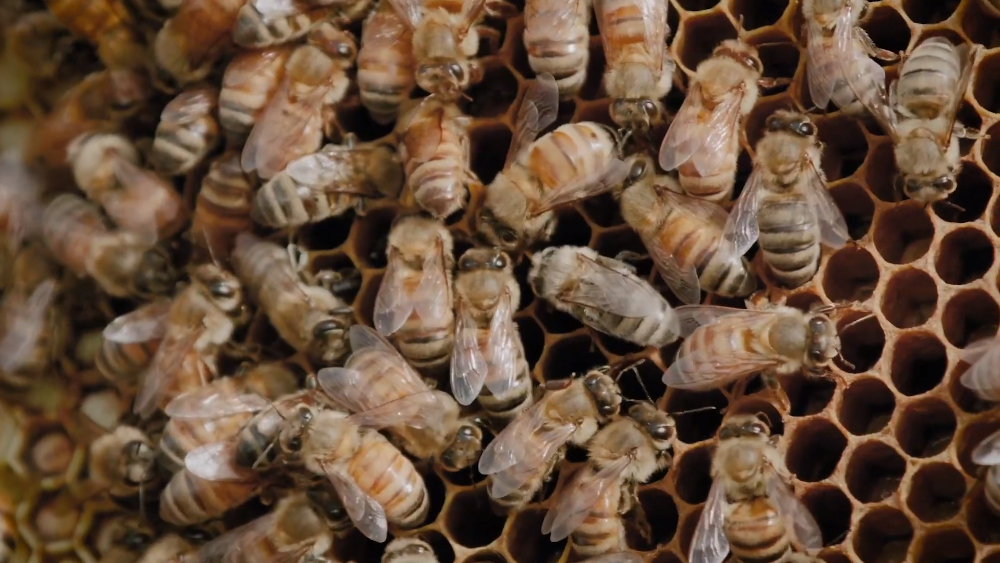
Pollinators like bees and butterflies are attracted to working forests, where cleared or newly-planted areas have plenty of pollen to browse. Our beekeeper video and all images in this story were captured in New England Forestry forests.
Did you know pollinators like bees and butterflies thrive in industrial working forests? In fact, beekeepers utilize New England Forestry lands to nourish and grow their hives in this excellent habitat for pollinators.
How do we protect the native plants and pollinators that call our forests home? Here we share how New England Forestry supports and coexists with even its tiniest residents: the pollinators.
Believe it or not, it starts with harvesting.
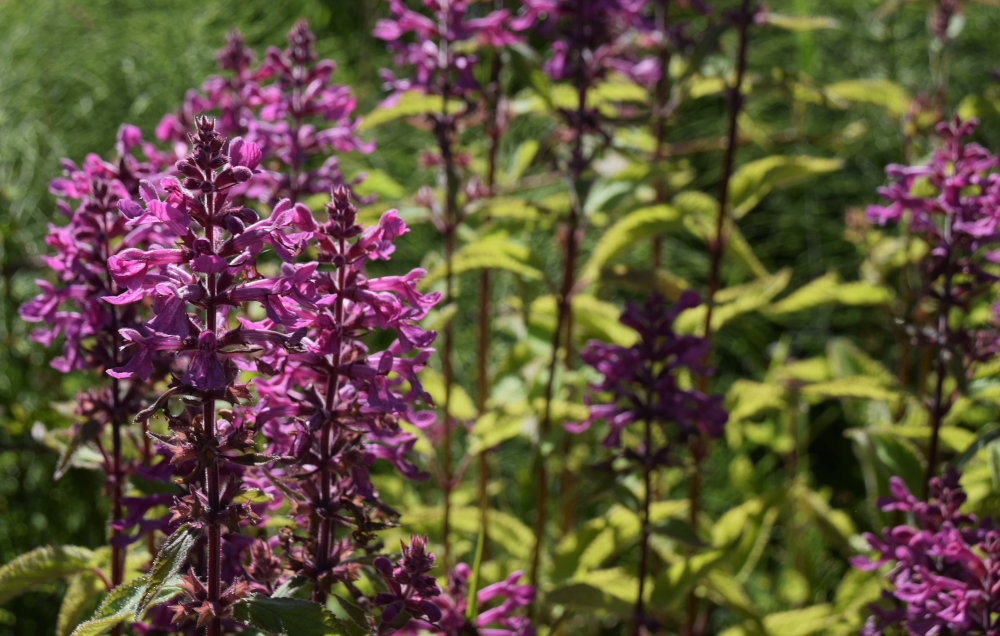
How New England Forestry Provides An Excellent Habitat for Pollinators
New England Forestry believes that healthy forests are critical to all living things. The way we manage our land gives a variety of forest ages the opportunity to grow and flourish the way Mother Nature intended.
Lands owned by New England Forestry are stratified by timber type. The result is an inventory system that provides New England Forestry with a method to sustainably harvest its landholdings. This means that we harvest rotationally, only cutting small areas of timber that are within a certain age class.
“We are very strategic with how we harvest our timber,” explains Sustainability Manager Ben Cazell. “We don’t want to start at one end of the forest and cut until we get to the other end and start over. Our goal is sustainability. We limit how much harvesting we do in one place due to the age of the trees. Since New England Forestry has been doing this for close to 100 years, what we have developed is a mosaic or patchwork-style harvesting schedule. It’s a big conglomeration, a mixed up puzzle, of different ages.”
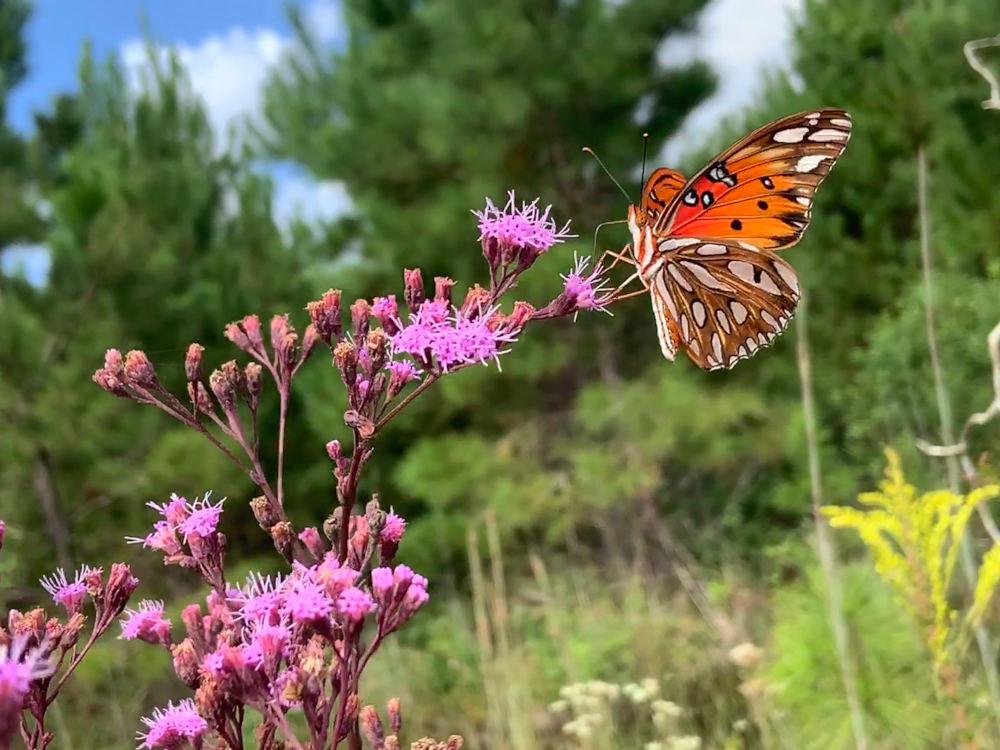
Thanks to the patchwork-style harvesting schedule, when a section of timber is harvested, sunlight can reach the forest’s understory. Here, seeds of native flowering plants have been lying dormant in the soil, ready to germinate. The result ultimately creates an abundance of flowering plants, shrubs, and vines, all of which produce pollen that pollinators are attracted to.
“I’ve seen a multitude of flowering herbaceous plants, ferns, shrubs, and vines such as climbing jasmine. All of this starts to take over after a timber harvest,” Ben says.
New England Forestry replants harvested areas within one to two years and most floral understory growth is present for about 5 to 6 years. About halfway through the trees’ lifetime, as the forest becomes more dense, thinning some of the trees helps to keep the forest healthy. The thinning again allows sunlight to reach the forest floor, which results in a re-emergence of the floral understory plants and shrubs. Foliage is naturally distributed, allowing pollinators acres upon acres of flowering resources. In these efforts, we maintain a healthy, biodiverse ecosystem that serves all residents, including pollinators.
“I’m certain that, from an ecological balance scenario, all of these flora and fauna are required,” Ben explains. “As soon as you displace something, that balance runs into jeopardy. Are pollinators important to New England Forestry? Most certainly, yes!”
There are also portions of the land—about a third of New England Forestry’s overall ownership in the U.S.—that the company does not actively manage for timber operations, but rather protects them because of wetlands or waterways. New England Forestry also strictly follows each state’s Best Management Practices, or BMPs, which are guidelines to ensure forestry and harvest activities do not impact nearby waters.
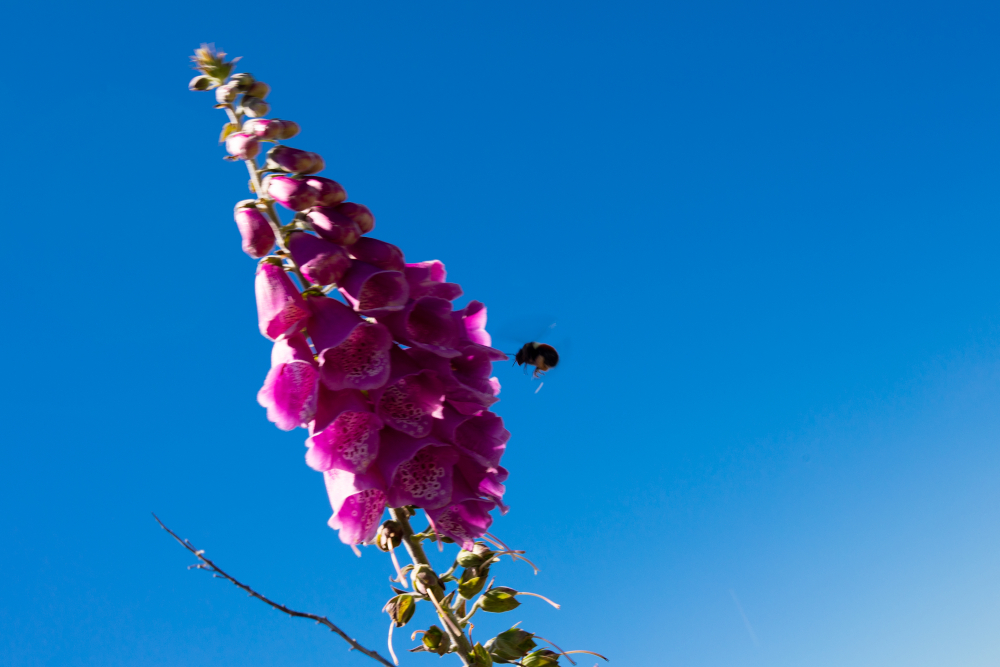
The Beekeeper’s Perspective
Our land is so pollinator-friendly that we have a beekeeping business that has allowed beekeepers to keep their hives on our property for more than 60 years.
We work with hobbyists, small honey business owners and industrial honey producers, explains Barlow Smith, New England Forestry’s Hunting & Recreation Sales and Marketing Manager, who manages the business.
“Some of the larger beekeepers we work with will chase the honey flow from one region to the next in the spring and summer,” he explains. “In the winter, they would have to store and feed their bees indoors if they stayed up north. So it helps them financially to instead put them on our land in the south.”
The Non-Timber Income Resource Division at New England Forestry is responsible for overseeing the licensing of land to beekeepers. They work to better understand the individual beekeeper’s business model and any goals they might have. New England Forestry then assists them in placing their hives in a location that will allow the bees to thrive.

According to Ken Rester, Manager of Business Development, New England Forestry has a team-oriented mindset when it comes to the beekeepers.
“When a new beekeeper shows up on our grounds, we start by asking, ‘How can we help you succeed?’” explains Ken. “As a beekeeper myself, I understand their issues. Because of that, I can take that knowledge and help them out.”
As soon as a hive is placed, it only takes the bees minutes to find pollen. One popular plant amongst the bee community is a flowering shrub known as gallberry. Gallberry produces tiny white flowers that provide valuable nectar flow. In our healthy, productive forests, our beekeepers know and appreciate the floral resources available to their bees.
Danielle Brooks, Owner of The Honey Truck Company and a land licensing beekeeper, shares her experience raising bees on New England Forestry land.
“Having a lot of things that they can pollinate is a good thing,” says Danielle. “You want them to be able to have a bunch of resources that are around. And so, where we have our bees now, there’s a bunch of Gallberries that bloom, there’s a bunch of Palmettos. I saw some Spanish Needle. Just different things that are growing and giving them a diverse diet.”
If interested, you can read more about licensing New England Forestry Beekeeping Land here.

Other Pollinators That Live in New England Forestry Forests
Aside from honeybees brought to New England Forestry by the beekeepers, our forests are home to many other native pollinators. Bumblebees, bats, moths, and butterflies are just a few examples of the creatures roaming and buzzing about. Depending on which forest you’re in, native pollinators will differ.
In Florida, the Zebra Longwing butterfly can be found fluttering about, dining on Confederate Jasmine and the Cyprus Vines. While in Washington, beetles and moths play an important role in pollinating native plants in the area.
New England Forestry’s understanding of the importance of the whole forest ecosystem allows for different activities to take place during timber harvest rotations. By allowing native flowering plants to grow undisturbed, soil nutrition increases, adding to the organic matter. This organic matter supports vegetation growth, feeding the pollinators within our forests.
“It takes the whole big picture to keep a healthy, productive ecosystem,” Ben says. “Pollinators keep the vegetative community thriving, which helps our forests regenerate. Even the birds, squirrels, and mice are important. It’s a huge web of life.”
What about chemical applications like herbicides?
While herbicide treatments may be applied to a stand of trees one to two times in its 20-40 year lifecycle, it is done under strict guidelines, with only licensed applicators applying the spray and local, on-the-ground inspectors. This is done in compliance with federal guidelines. Under these conditions, herbicides used by New England Forestry and the forestry industry have very low toxicity levels, lower than most household cleaning solutions.
Our focus when using herbicides is to reduce competition and allow a newly-planted forest an opportunity to get established. Likewise after thinning, they’re used to reduce the competing woody brush competition. This in turn encourages flowering vegetation to occupy the forest understory: a win for the pollinators
New England Forestry Exists in Harmony with the Pollinators
One of Ken’s favorite parts about beekeeping is looking into the hive and seeing the harmony that exists with the bees. “If you could take that mentality and put it into humans, it would be life-changing,” he says. “We would be much more efficient.”
New England Forestry strives to provide a similar harmonious environment within our forests. Through our holistic forest management practices, we’ve found both the pollinators—and the plants they seek pollen from—thrive on our land. We believe that protecting clean water sources, limiting herbicide sprays, and managing our forests well support this effort.


Leave a Comment