



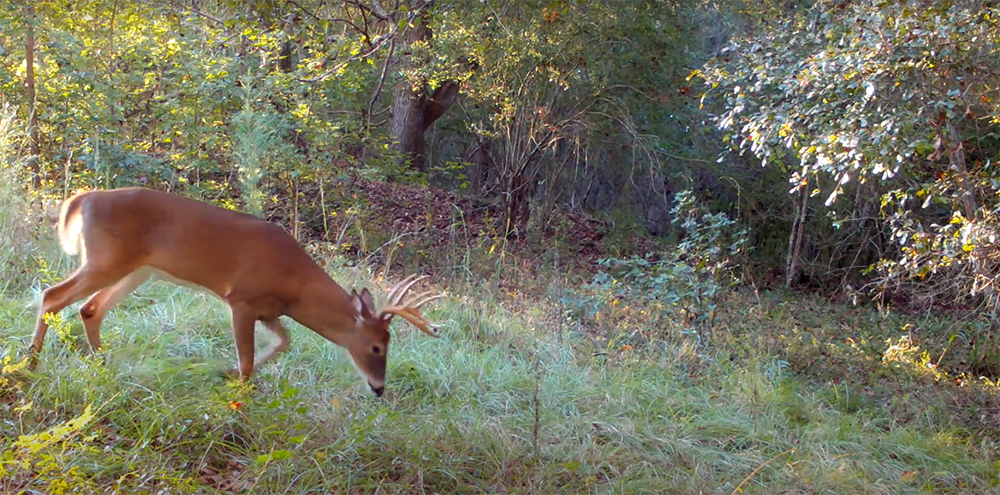

New England Forestry and its hunting customers share a sense of responsibility for the land’s resources, creating a partnership that benefits forests and wildlife.
In 1972, a handful of hunters in Nassau County, Florida asked New England Forestry for exclusive access to hunt a parcel of its land, where there were growing numbers of deer, turkeys, and quail.
Wildlife populations that had declined because of habitat loss at the turn of the century were starting to make a comeback in New England Forestry’s pine forests, planted in the 1930s. New England Forestry was already leasing some of its lands to the state for public recreation, but these hunters wanted a place where they could get away from the crowds and competition for wild game.
New England Forestry accepted the group’s offer, launching a hunting business that today has more than 23,000 customers hunting on about 2 million acres of active timberlands throughout the U.S.
Mike Edwards, a lifelong Florida resident and 34-year veteran of the Fish and Wildlife Commission, says he saw positive changes for the land and wildlife as New England Forestry began working directly with hunters. He was a game warden assigned to New England Forestry land for 27 years of his career. When it was open for public recreation, it was tough to enforce regulations.

Because the property was not gated and few officers were assigned to the area, people dumped household garbage, stole expensive forestry equipment, and even poached wildlife. But as New England Forestry started granting exclusive access to hunters, Mike saw less criminal activity on the land and improvements in wildlife numbers.
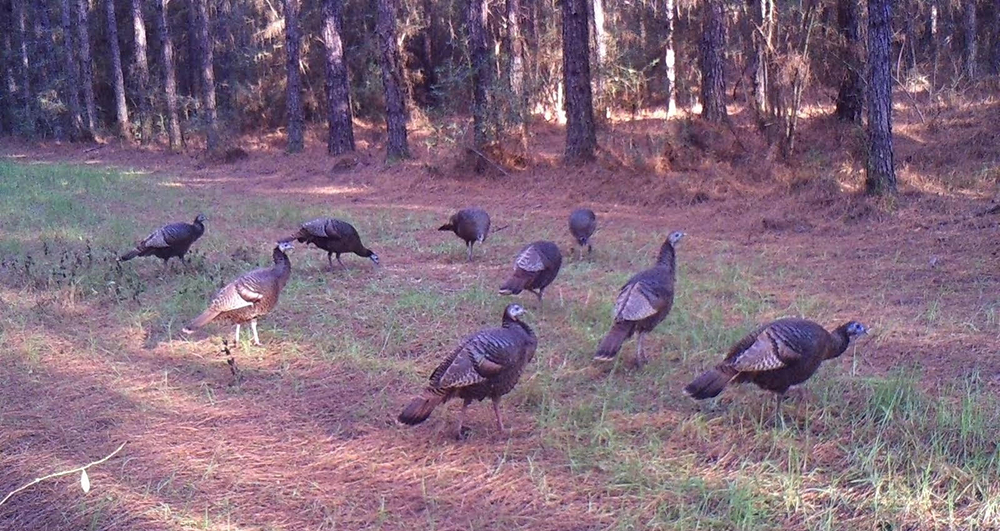
In contrast to the public areas, the hunters who paid for access took a management approach to the land, setting limits on the animals they harvested. Mike says the result was “a tremendous increase in whitetail deer and turkeys, which gave a sense of ownership to the hunters because their actions actually improved numbers.”
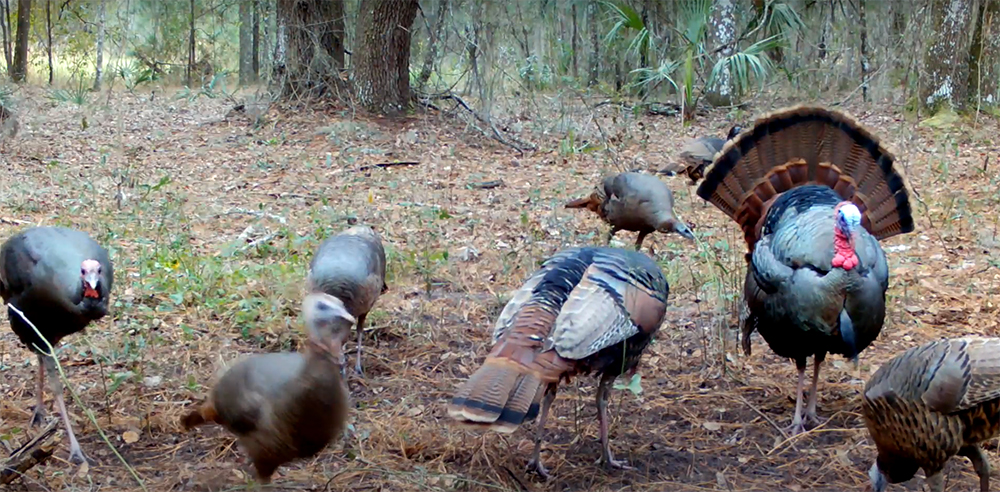
The initial group of hunters in Nassau formed a hunting club that has maintained its relationship with the company to this day. Their children and grandchildren are now members and the group’s stewardship ethics have grown even stronger over the past 50 years.
For New England Forestry’s part, hunters all over the U.S. have become crucial partners serving as the company’s eyes and ears on the land, helping to protect its assets. As one member of the land resources team, which manages the hunting program, says, New England Forestry and its hunting customers have a “symbiotic relationship” not unlike those between many wild species in the forest.
Hunters are the company’s first line of defense
With more than 2 million acres of forest land in the U.S., the company has an extensive land base to monitor. New England Forestry Resource Unit Leader Jeremy Flood says hunting customers quickly report issues like road and bridge washouts, bug damage to pine trees, and trespassers.
Because hunters are paying for access, they expect to be able to navigate the land efficiently and safely. They want the habitat to remain healthy enough to support wildlife populations. And they want to report potential poachers and deter them from returning. Jeremy says this is great for his team, as it helps them act swiftly to protect New England Forestry’s valuable assets.
While forestry operations teams and contractors are on the land during working hours, hunters spend early mornings, evenings, and weekends hunting the properties, creating a 24/7 presence.
“It’s really neat to see that our hunting customers create a first line of defense for the land base on a whole host of issues,” says New England Forestry’s Senior Manager of Business Development Matt Gelston. “We have been able to successfully fight wildfires early. When we have an incident like a major theft or commercial dumping, we can interview hunting customers, retrieve game camera photos and piece together a fact pattern to prosecute criminal cases.”
Recently, a hunting club member in Washington State was camping out on New England Forestry land when he spotted a trespasser trying to steal cedar early one morning. The hunter quickly contacted a New England Forestry team member and the suspect is now facing felony charges.
Hunting New England Forestry land is a generational legacy for outdoor families
While isolated trespass events do happen, Mike Edwards (the Florida game warden who was around during the early days of the hunting business) says it is much less common than on open-access public land. Now retired, he serves as president of his New England Forestry hunt club.
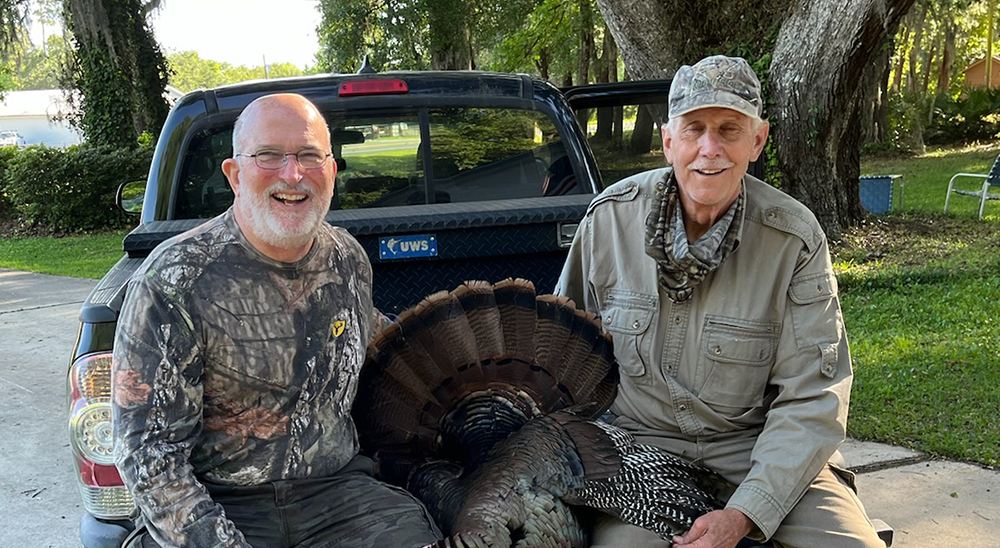
Mike says it has been the perfect place to teach his kids to hunt in a safe and controlled environment. It’s also given them a spot to spend time outdoors, away from the crowds on public land. Outside of hunting season, kids in his club scout the property for wildlife, go fishing in its creeks, and help maintain food plots. He says there is always something to be done in terms of management, which gives families a chance to enjoy the outdoors together, making memories that will last a lifetime.
“I don’t even know how much it’s meant to me that I could bring my kids and teach them to walk and hunt the ground where my dad killed his first turkey,” Mike says.
Clyde Davis, another hunting customer and member of Mike Edwards’ hunt club, has cherished the time spent hunting New England Forestry land, where his father and grandfather hunted and he later taught his own children to hunt. Last year, he and his son-in-law took one of the biggest bucks harvested by the hunt club.
“It’s good connectivity with my daughter and son-in-law to have this experience,” Clyde said. Together, they processed the deer and tried methods of cooking that were new to Clyde. Though his parents and grandparents cooked wild game, he says his son-in-law is a “foodie” and more sophisticated in his culinary style. “They’re teaching me about brining and preparation that I didn’t grow up learning. It’s a generational experience in reverse because I’m learning from my kids too,” he said.
Clyde, whose father worked for New England Forestry, has an appreciation for the benefits New England Forestry’s forestry operations give to hunters.
“In biology and game management, there is something called the ‘edge effect,’ he explains. “When New England Forestry comes in and harvests a tract with timber, it creates an edge between the harvested tract and adjoining tracts. That edge between the two and the exposure of the ground to sunlight creates a smorgasbord of food for wild game.”
“Hunting clubs get the benefit of the environment that New England Forestry has created.”
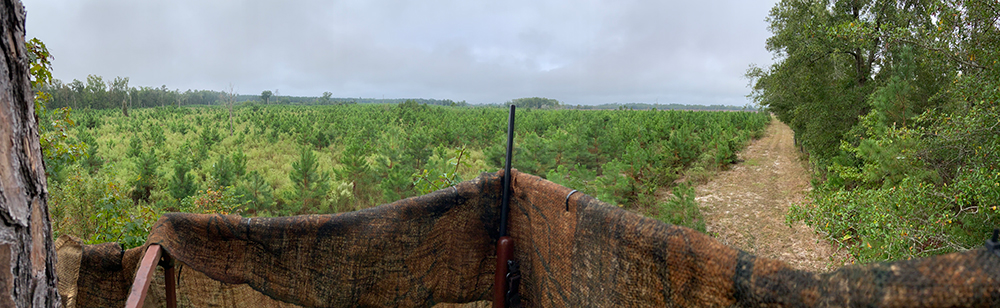
New England Forestry’s core values promote healthy hunting culture
Clyde, Mike, and others are proud of the ties they’ve strengthened with the land. This legacy began with previous generations, but these hunters know that if they want future generations to benefit, they must focus on core values that promote a healthy relationship between their clubs and New England Forestry, as well as with the land itself.
When Mike’s hunt club has an opening for new members, he interviews applicants to ensure their values are aligned. He only extends invitations to hunters with responsible outdoor ethics and a sense of stewardship.
Clyde says he appreciates New England Forestry’s emphasis on safety, outlined in its Hunting Code of Conduct:
“New England Forestry has been very active in establishing the safe practices that they require of hunting clubs.
For example, New England Forestry encourages the use of sign-in boards in which members pick specific areas within a parcel of land that they will hunt on a particular day. This communication tool, he says, prevents hunters from putting one another at risk in the woods and allows the club to make sure everyone makes it out of the woods at the end of the day. The company also has guidelines for deer stand and feeder placement to ensure a safer hunting environment.
When he was club president, Clyde suspended members for violating safety rules and says New England Forestry’s Code of Conduct helped hold members accountable.
Building for future generations
In the 50 years since the hunting business began, New England Forestry and hunters have built a strong relationship, based on a mutual appreciation for the abundant natural resources in New England Forestry’s forests.
“It’s a partnership with our customers, to manage the land,” says Rob Fancher, Director of Land Resources and Development. “It’s a huge business, over 2 million acres. Our team can’t do it by ourselves. It takes forestry operations, the Land Resources team and our hunting and rec customers to do it all.”
While many properties are booked year after year by the same hunt clubs, there are some properties available for new groups. If the past is any indication of the future, we expect to see more hunters and their families enjoying the outdoors together, enjoying all that New England Forestry land has to offer and helping to protect its forests.
To learn more about the hunting and recreation program, visit New England Forestryhunting.com.

Leave a Comment